What is an AI-native PMS?
Project management systems were built to track work. An AI-native PMS is built so people and agents can do the work together. Here is what changes.
For two decades, project management software has been a system of record. It tracks issues, sprints and deadlines, while people do the actual work somewhere else and come back to update the status. Adding a chatbot to that model does not change it. An AI-native project management system starts from a different question: what if the workspace could be worked in, by people and by agents alike?
Built for two kinds of teammates
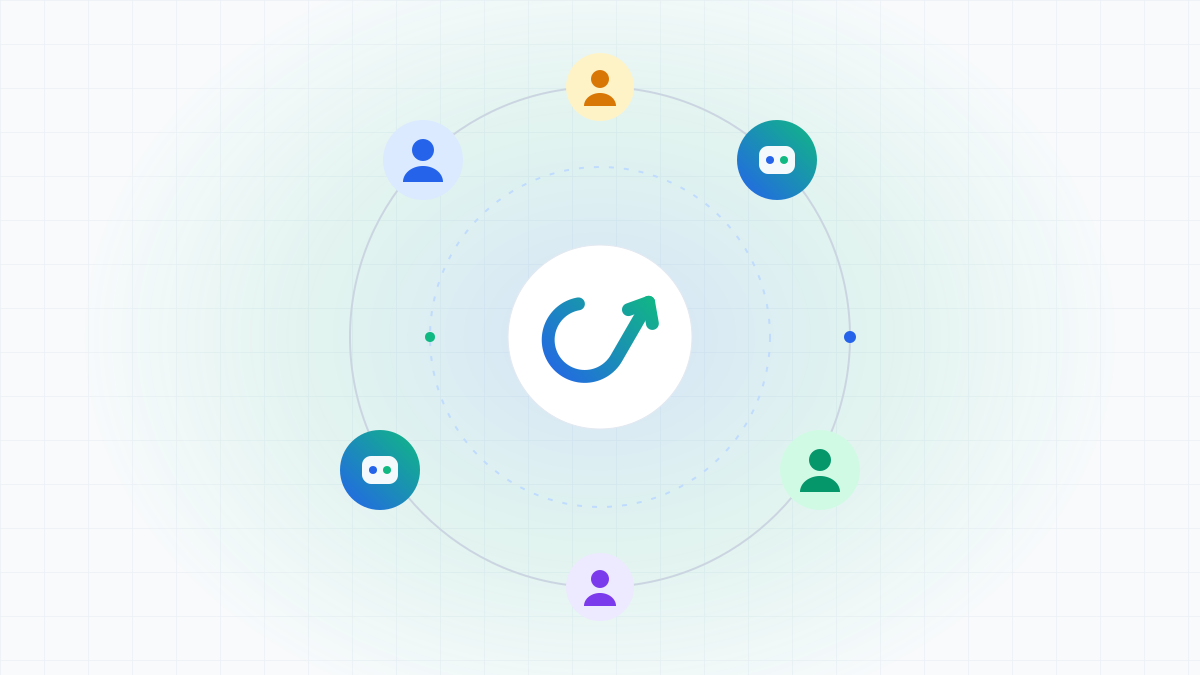
In an AI-native PMS, agents are first-class participants. They read the backlog, write specs, groom issues, update docs and report risk, using the same objects and the same rules as the humans around them. That means the system has to expose its data and actions in a way agents can use safely, not just an interface designed for clicking.
- Shared context. Plans, boards, docs and decisions live in one place, so an agent sees what a teammate would see.
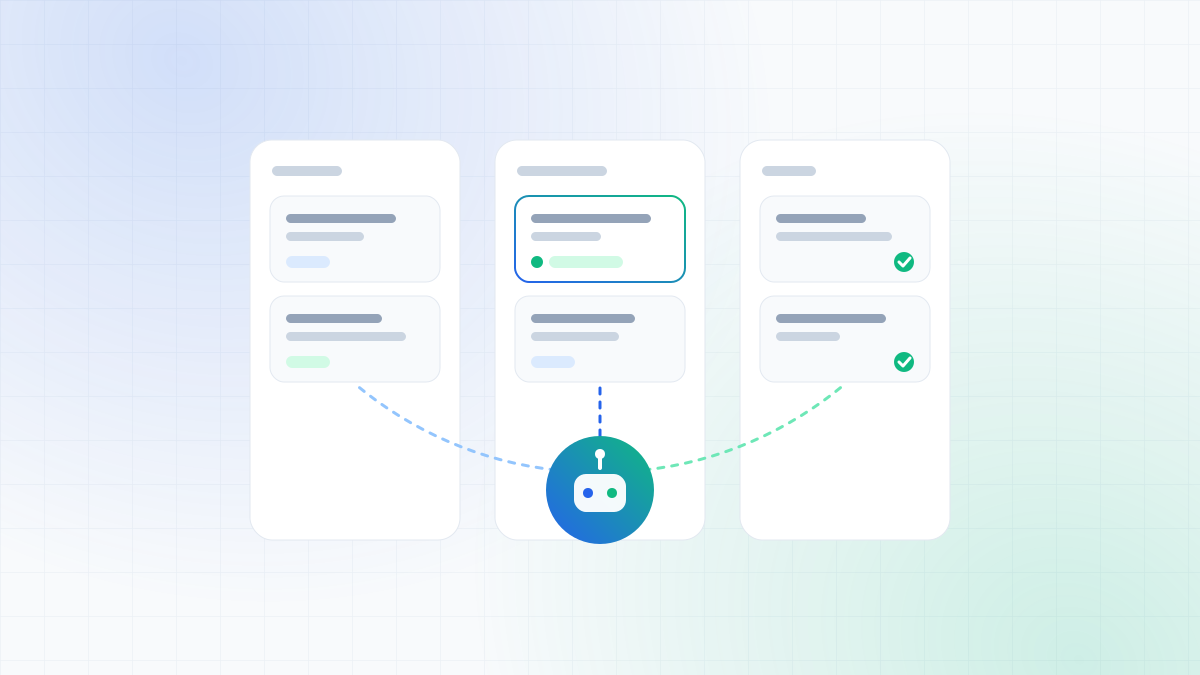
- Real actions. Agents create and update issues, plan sprints and keep docs current, instead of only summarizing them.
- Guardrails. Every agent acts for a person, inherits that person's permissions and leaves an audit trail.
Open, not bolted on
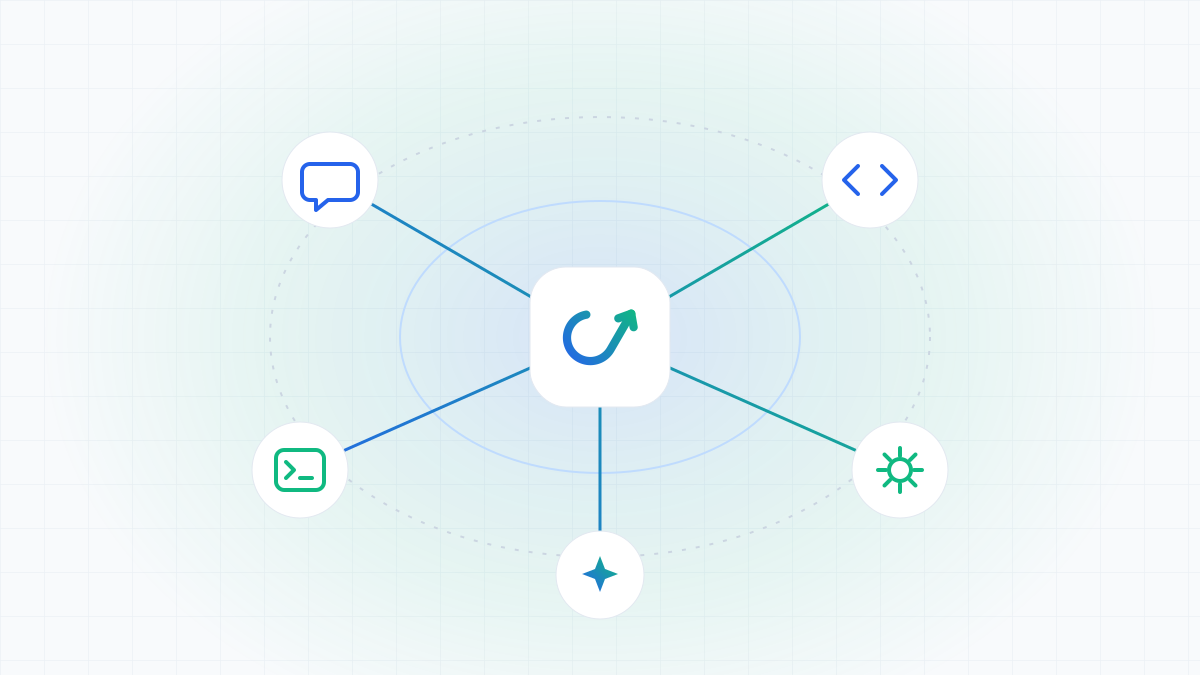
The fastest way to make AI useless is to lock it to a single assistant inside a single tool. An AI-native PMS should be open to the models and clients your team already uses. That is why Momentum ships with a native Model Context Protocol (MCP) server: Claude, MCP-ready IDEs and CI jobs can all connect to the same workspace.
Humans still decide
None of this takes people out of the loop. The point is to move the busywork, such as grooming, status updates, standup notes and release notes, to agents, while people keep the decisions: what to build, what ships and what waits.
Humans decide. Agents do the busywork. The workspace stays the single source of truth.
That is the idea behind Momentum: Jira-class planning plus an open agent layer, so humans and AI agents can ship together.